

Big Idea Ventures, a hybrid venture firm that encompasses venture capital investing and an accelerator program, has announced a first close of $50 million for its newly-launched fund, the New Protein Fund.
With offices in New York and Singapore, and headed by managing general partner, Andrew Ive, Big Idea Ventures is looking to invest in the best emerging plant-based food, ingredients, and alternative protein startups in three pillars: plant-based food products; plant-based food ingredients and technology; and cell-cultured meats.
With backing from Singapore’s state venture capital fund Temasek, and Tyson Foods, the firm is planning to invest $250,000 in approximately 100 global companies, half of which will initially be based in Asia, and the remaining half in North America. Then, within the following two to three years, Big Idea plans to widen its geographic scope to include the EU and China.
“It’s the first and largest plant-based accelerator fund,” Ive told The Spoon.
First Investment
Although the fund plans to allocate only 5 percent of its capital to cell-cultured meat startups, that is precisely where it committed its first investment – in Singapore-based Shiok Meats.
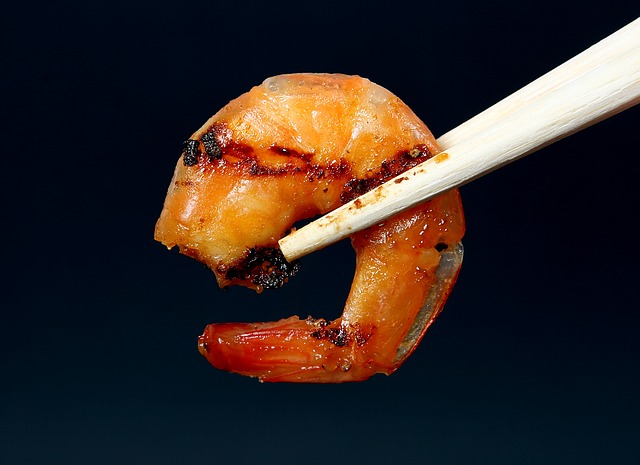
Co-founded in 2018 by stem cell scientists Dr. Sandhya Sriram and Dr. Ka Yi Ling, Shiok (which is a slang term for “fantastic” and “delicious”) leverages its founders’ experience in the field of biology and cell technology to create cultured crustacean meats including shrimp, lobster, and crab.
“Most clean, cell-based meat companies focus on red meat and poultry, but in Asia – where we are located – we eat a lot of seafood, and we need a clean solution for seafood as well,” Shiok co-founder Ling told Sea-Globe.com “We can’t just keep fishing from the ocean; we have a limited supply, and we can’t keep overfishing.”
Aside from reducing the pressure on the global seafood harvest, Shiok sees cellular aquaculture as a means to also counter the overuse of antibiotics in animal protein production – an issue highlighted in a recent Canadian study that found that 17 percent of shrimp imports entering the country, mainly from Asia, were resistant to one or more types of antibiotics.
Noted as one of the most pressing threats to global health by the World Health Organization, antibiotic resistance is responsible for the deaths of 700,000 people each year. And if left unchecked, a study conducted in the UK and released in 2014 concluded that by 2050, antibiotic resistance could cause more deaths than cancer.
However, when carried out in a sterile environment, cellular aquaculture can produce seafood without animals and without the use of antibiotics.
Acting on Acceleration
Concurrently, Big Idea Ventures also will be launching its accelerator program in dual locations of New York, which should launch during Q3 of this year, and in Singapore, which has a planned launch to follow in Q4.
Having formerly headed the Food-X accelerator, Ive has taken what he has learned to tweak how this new accelerator operates. As is common, the program will accept cohorts of between eight and 10 participating companies, and will oversee two cohorts per year. However, compared to other programs, which usually span a period of three months, Big Idea Ventures’ will be extended to five months, according to The Spoon, in order to provide ample time for participants to grow. And through its dual presence in both Asia and North America, Big Idea can offer not only capital and mentorship, but also access to divergent markets.
Each participating startup will receive $250,000 in funding, according to managing partner with Big Idea, Mike Lightman, along with mentorship, and a workspace that includes a full in-house kitchen for product development and scaling. Upon the completion of each program session, the firm plans to invest a further $1 to $3 million in the most promising startups.
The strategic timing of the launch of both the New Protein Fund and its accelerator program place Big Idea is an ideal position to benefit from a market in transition. Investment in the plant-based meat space over the past 10 years topped $2 billion, half of that being invested in only 2017 and 2018.
Sales of plant-based meats are outpacing those of animal protein, according to a report issued by GFI in September of last year, which found that over the previous 12-month period, sales of plant-based meat climbed by 23 percent, while sales of traditional meat increased by only 2 percent.
By brand, Beyond Meat saw the fastest acceleration, seeing a 70 percent jump in sales over the examined time period, before going on to experience a record-setting IPO. Meanwhile, earlier this month, rival Impossible Foods announced its closing of a high-profile $300 million Series E.
As the plant-based protein category goes from strength to strength, so does Impossible Foods. The company’s Impossible Burger is sold at about 7,000 U.S. locations, and in April of this year, Burger King announced its plans to add the Impossible Burger, as the Impossible Whopper, to its menus nationwide by the end of this year. Other major outlets signing on to include the Impossible Burger in their offerings include Red Robin, White Castle, and Disney theme parks, while a retail launch is in the pipeline for later this year.
“All of this is indicative of a public that is very, very excited about seeing meat produced from plants,” Bruce Friedrich, executive director of the Good Food Institute, told Fast Company when discussing the plant-based meat industry. “There is overwhelming interest from investors in both the plant-based meat and ‘clean meat’ spaces.”
~ Lynda Kiernan