

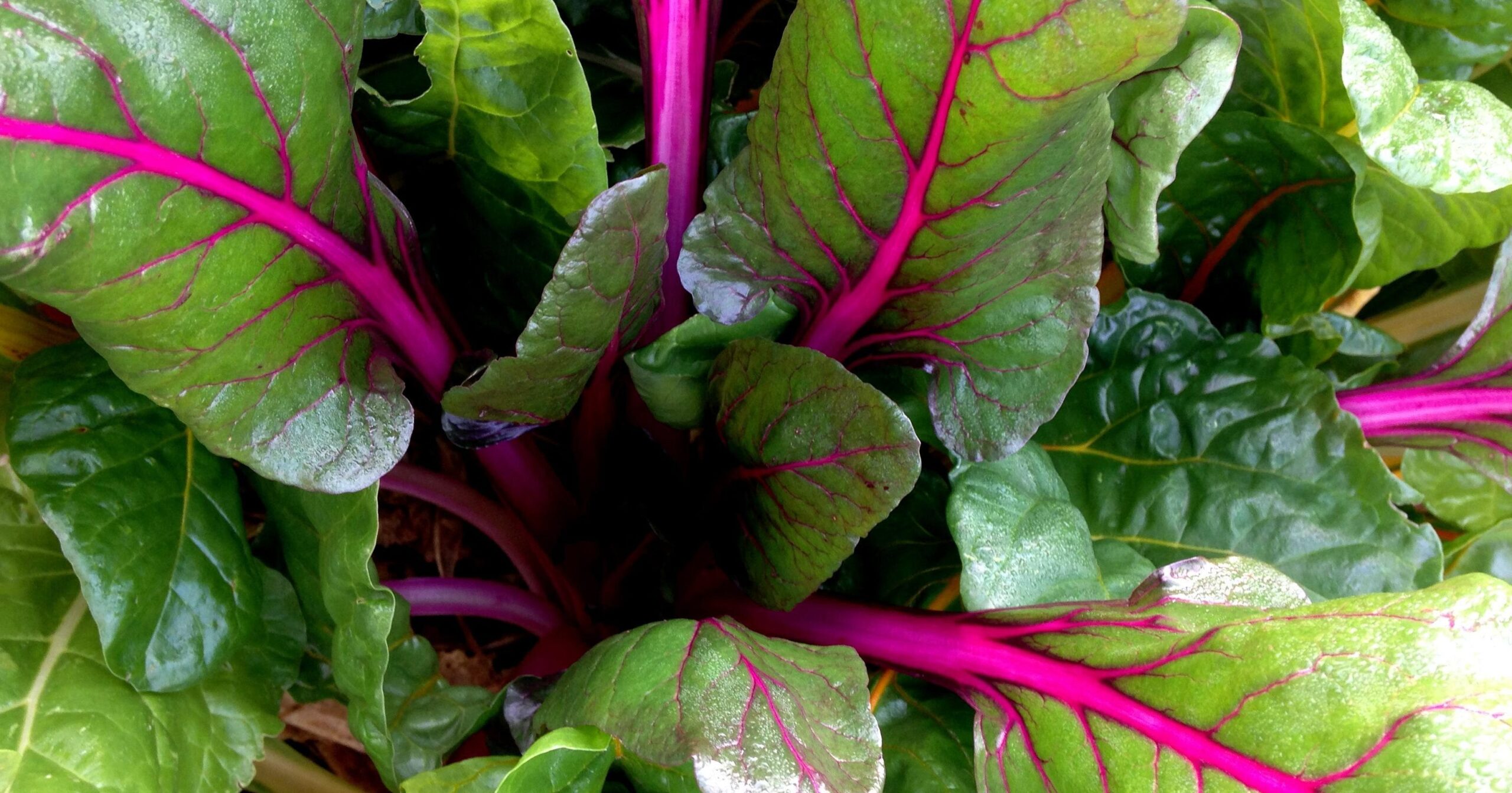
A joint venture partnership between Japan’s Marubeni Corporation, Showa Denko K.K., and Chiyoda Corporation announced plans to launch an indoor, artificially lit, vegetable factory business in Dubai.
The role of each company within the partnership has been clearly defined, with Showa Denko controlling the cultivation system which will be based on its “S method”, or “Shigyo method”– the optimum combination of red and blue light to accelerate photoresponses and vegetable growth. The LED lighting, which will be supplied by Showa Denko will irradiate the plants at optimum intervals ensuring high yields and rapid crop growth while saving on electricity. Chiyoda will design and manage the procurement and management of the factory based on the company’s experience through its experimental study of crop cultivation on the International Space Station, and Marubeni will oversee the market development of vegetable factories in foreign markets.
The three companies are on pace to sign a contract with local conglomerate, Al Ghurair, as early as the end of the month, and a demonstration factory, which will be used as a showroom for potential customers is scheduled to be completed by the end of the year, according to Nikkei Asia Review. Al Ghurair plans to sell the vegetables that are produced through a premium supermarket targeted at the wealthy, urban consumers in the UAE who earn 10 million yen (approximately $95,000) on average per year.
Vegetable factories are being seen as a means to maintain year-round, steady food production in the face of climate change, water scarcity or the lack of arable land, through the artificial control of lighting, temperature, humidity, and nutrient supply. The hydroponic operation plans to initially produce 12.5 kilograms of leafy greens per day using only one-tenth the water as traditional greenhouse operations.
Indicative of the climbing demand for fresh produce from the Middle East, total Australian vegetable exports increased by 5% in the financial year prior to August 2015, according to data from the Global Trade Atlas reports ABC, while vegetable exports to the United Arab Emirates were up by 24% over the same time period.
“The Middle East is a large importer of fresh produce because obviously as a desert climate it doesn’t produce a significant amount of its own fresh produce,” said Ausveg national manager for export development, Michael Coote.
Meanwhile, Australian vegetable exports to Japan have declined by 2.6% due to a decline in population and falling real incomes. The Japanese Greenhouse Horticulture Association reports that as of February of this year, there were 191 vegetable factories operating in Japan – a 300% increase over five years ago. However, a survey conducted by the association found that 55.9% of 34 operators were posting losses.
Given the crowded vegetable production space combined with declining demand in Japan, the move by Marubeni and its partners into the high-demand Middle East market could result in healthy returns for the consortium.
—
Lynda Kiernan